Working at Height Medicals (UK-Wide Service)

We provide UK-wide Working at Height Medicals to assess whether employees are medically fit to perform tasks in safety-critical environments. Our clinicians ensure workers have the physical, visual and psychological capacity to work safely at height, helping employers meet regulatory requirements and reduce risk.

Working at height medicals support compliance with the Work at Height Regulations, HSE guidance, and general health and safety duties. They help prevent serious incidents by ensuring workers are suitable for demanding roles involving ladders, scaffolding, platforms, MEWPs, rooftops and elevated structures.

men working on a wind turbine who will need a working at heights medical
man working on overhead electrical cables will need a working at height medical

What Is a Working at Height Medical?

A Working at Height Medical is a safety-critical assessment carried out by an Occupational Health Professional. It evaluates an employee’s ability to perform tasks safely at height by assessing:

  • Balance and coordination
  • Mobility and musculoskeletal health
  • Cardiovascular fitness
  • Vision and hearing
  • Medication and medical history
  • Neurological symptoms
  • Mental health and vertigo/anxiety considerations

The medical identifies any conditions that could increase the risk of falls, loss of balance or sudden incapacitation during height-related work.

Why Working at Height Medicals Are Essential

Working at height remains one of the highest-risk activities in the UK, consistently ranking as a leading cause of accidents and fatalities.

These medicals help employers:

  • Prevent falls from height
  • Identify early health risks (e.g., dizziness, fainting, vertigo)
  • Ensure employees are physically capable of climbing, carrying tools and maintaining balance
  • Demonstrate duty of care under the Work at Height Regulations
  • Protect workers in safety-critical roles
  • Reduce liability and insurance risk
  • Support safe systems of work

Working at Height Medicals provide documented evidence of suitability for high-risk tasks.

Legal Requirements & HSE Guidance

The Work at Height Regulations 2005 require employers to ensure that anyone working at height is:

  • Competent
  • Physically fit
  • Properly trained
  • Suitable for the task and environment

Medical fitness is an essential part of this requirement.

These medicals also support compliance with:

  • The Health & Safety at Work Act
  • Management of Health & Safety at Work Regulations
  • Industry-specific safety standards (construction, utilities, telecoms, rail, warehousing, etc.)

Safety-critical medicals are strongly recommended for any job where a sudden health event could put the worker — or others — at risk.

Further reading

Working at heights a brief guide

The Work at Height Regulations 2005

the
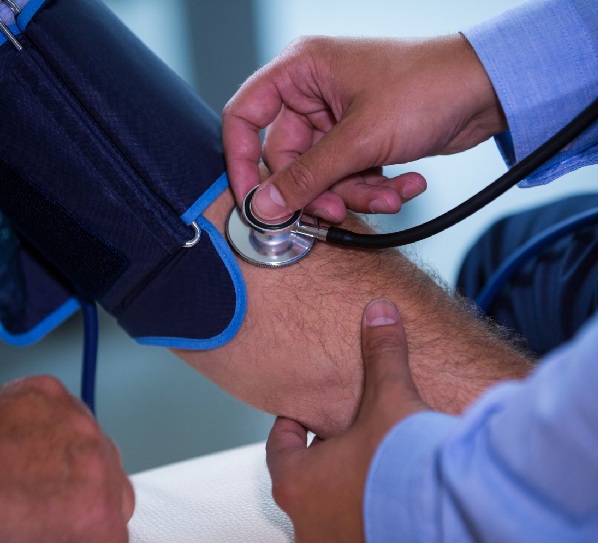
blood pressure measurements as part of working at heights medical

What Our Working at Height Medical Includes

Our assessment includes:

  • Medical history questionnaire
  • Vision testing (distance, near and peripheral)
  • Hearing check
  • Blood pressure measurement
  • Pulse and cardiovascular review
  • Neurological screening (dizziness, blackouts, balance issues)
  • Musculoskeletal assessment
  • Mental health considerations (including vertigo, anxiety and confidence working at height)
  • Medication review
  • BMI and general health checks
  • Clinical decision on fitness to work at height

At the end of the assessment, the worker receives a Fit / Fit with restrictions / Temporarily unfit outcome.

Who Needs a Working at Height Medical?

These assessments are essential for roles involving:

  • Scaffolding
  • Roofing
  • Ladder work
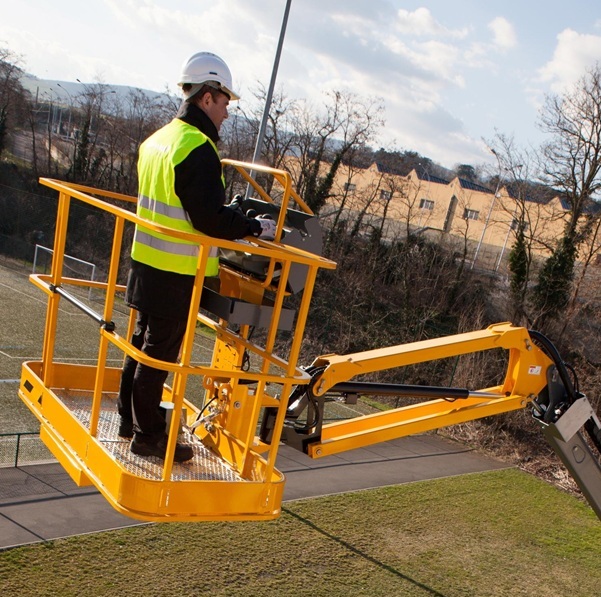
  • MEWPs, cherry pickers and boom lifts
  • Telecoms towers and masts
  • Wind turbines
  • Construction and civil engineering
  • Maintenance on elevated platforms
  • Warehouse racking
  • Facilities and building services
  • Stage rigging and lighting

Anyone exposed to the risk of falls or loss of balance should undergo regular Working at Height Medicals.

How Often Should Working at Height Medicals Be Completed?

Recommended frequency:

  • Every 2 years for most workers
  • Annually for those over 50 or in particularly high-risk roles
  • Immediately after injury, illness or reported symptoms (e.g., fainting, vertigo, heart issues)
  • Before starting a role involving height work

Employers may also choose more frequent assessments for critical infrastructure, telecoms, rail or utilities sectors.

men working on a wind turbine will need a working at heights medical
Workplace exposure monitoring technician putting sampling head on a worker so that the air he breathes can be tested

How We Carry Out Onsite Working at Height Medicals

We offer UK-wide onsite testing, bringing all required equipment directly to your workplace. Only a small private room is needed.

Your assessment includes:

  1. Completion of health questionnaire
  2. Vision and hearing screening
  3. Cardiovascular and blood pressure checks
  4. Musculoskeletal review
  5. Neurological and balance screening
  6. Final fitness decision

Our service is fast, efficient and minimally disruptive.

What You Receive

You will receive:

  • Individual medical certificates
  • Clear fitness outcomes
  • Recommendations or restrictions where needed
  • Documentation suitable for audits or safety files
  • Advice on safe working adjustments
  • Support for managers and supervisors

Certificates are issued immediately after assessment.

How Working at Height Medicals Reduce Risk & Improve Safety

These medicals:

  • Identify conditions that could cause falls or sudden incapacitation
  • Reduce workplace accidents
  • Support safe work planning
  • Demonstrate compliance with legal duties
  • Reduce insurance and liability risk
  • Improve safety culture and worker confidence

They form a critical component of safety-critical health surveillance.

Why Choose Synergy for Working at Height Medicals

  • UK-wide onsite coverage
  • Experienced occupational health professionals
  • Fast appointment scheduling
  • HSE-aligned assessment standards
  • Same-day certification
  • Integration with wider health surveillance programmes
  • Minimal workplace disruption
  • Clear, actionable reporting

We help employers protect workers in high-risk environments.

Metal working fluid used as a coolant in CNC cutting
Workplace exposure monitoring technician putting sampling head on a worker so that the air he breathes can be tested

Working at Height Medicals – FAQs

Q1. How long does a Working at Height Medical take?
Most assessments take 20–30 minutes per person.

Q2. Is this medical a legal requirement?
Employers must ensure workers are fit for height work as part of the Work at Height Regulations. A medical is the most reliable way to confirm this.

Q3. Can someone fail the medical?
Yes — if a condition poses a significant risk. Most issues can be managed safely with adjustments.

Q4. How often should these medicals be repeated?
Typically every 2 years, or annually for older or higher-risk workers.

Q5. Do you provide same-day certificates?
Yes — fitness certificates are issued immediately.

Book Your UK-Wide Working at Height Medicals

Need to arrange Working at Height Medicals for your workforce? We provide fast, compliant assessments across the UK.

Trusted by UK manufacturers, engineering firms, warehouses, food producers and national employers.

Other services provided by Synergy Environmental Solutions

LEV Testing

Local exhaust ventilation thorough examination and testing.

LEV Testing >>

Face Fit Testing

Fit testing verifies whether masks and respirators form an effective seal against the face.

Face Fit Testing >>

Workplace Noise Monitoring

Noise Assessment and Monitoring Services to measure the personal noise exposure of your workers.

Noise Assessment & Monitoring >>

Biological Monitoring

Using biological sample like blood, urine, or breath to assess exposure to hazardous substances.

Biological Monitoring >>

Spirometry

Assess the lung function of workers using Spirometry.

Spirometry >>